Specialist lead work crafted to last generations.
Code 4 & Code 5 lead flashings, soakers, dormer cheeks, bay roofs and bespoke detailing — formed and dressed by hand.
Traditional leadwork done properly — for chimneys, dormers, bays, valleys and bespoke detailing.
Lead is the original, and still the best, weatherproof detail on a British roof. Done properly with the correct code, fixings and welts, leadwork outlasts the roof beneath it. Done badly — wrong code, no clips, ripped seams — and it's the source of leaks within a single winter.
We hand-form, bossed and lead-weld every detail to LSA (Lead Sheet Association) guidance. From a single chimney apron in Hereford to a full bay window roof in Ledbury, you get heritage-grade lead work that's truly watertight and built to last decades.
Warning signs
- Cracked or split lead flashings
- Lead lifting or pulling away from walls
- Staining on chimney brickwork or walls
- Damp showing internally near a chimney or bay
- Old mortar fillets where lead should be
Key benefits
- Code 4, 5 & 6 milled lead
- Hand-formed bossed detailing
- Lead-welded seams where required
- Patination oil finish to prevent staining
- LSA best-practice guidance throughout
The Herefordshire roofing team locals trust.
Get a same-week lead work quote.
Book a no-obligation inspection with a working roofer — we'll diagnose the issue, walk you through the options, and put it all in writing.
Lead Work — your questions answered.
Honest, no-jargon answers from a working roofer in Herefordshire.
Properly installed milled lead flashing lasts 80–100+ years. The lead itself effectively never wears out — failures almost always come from poor fixing, wrong code, over-long pieces without expansion joints, or mortar fillets used instead of proper chasing. Done to LSA guidance, lead is the longest-lasting roof detail you can buy.
We use the correct code for the application. Code 4 (1.80mm) is standard for soakers and small flashings. Code 5 (2.24mm) is the workhorse for chimney and abutment flashings. Code 6 and 7 are used for bay roofs, dormer tops and heavier-duty work. We never substitute thinner lead to save cost.
Yes — cracked or split lead is one of our most common chimney callouts. We strip the failed lead back, rake out the brickwork chase, and install new lead pieces of the correct code, fixed with lead clips or wedges and pointed up properly. We don't simply slap mastic over the crack.
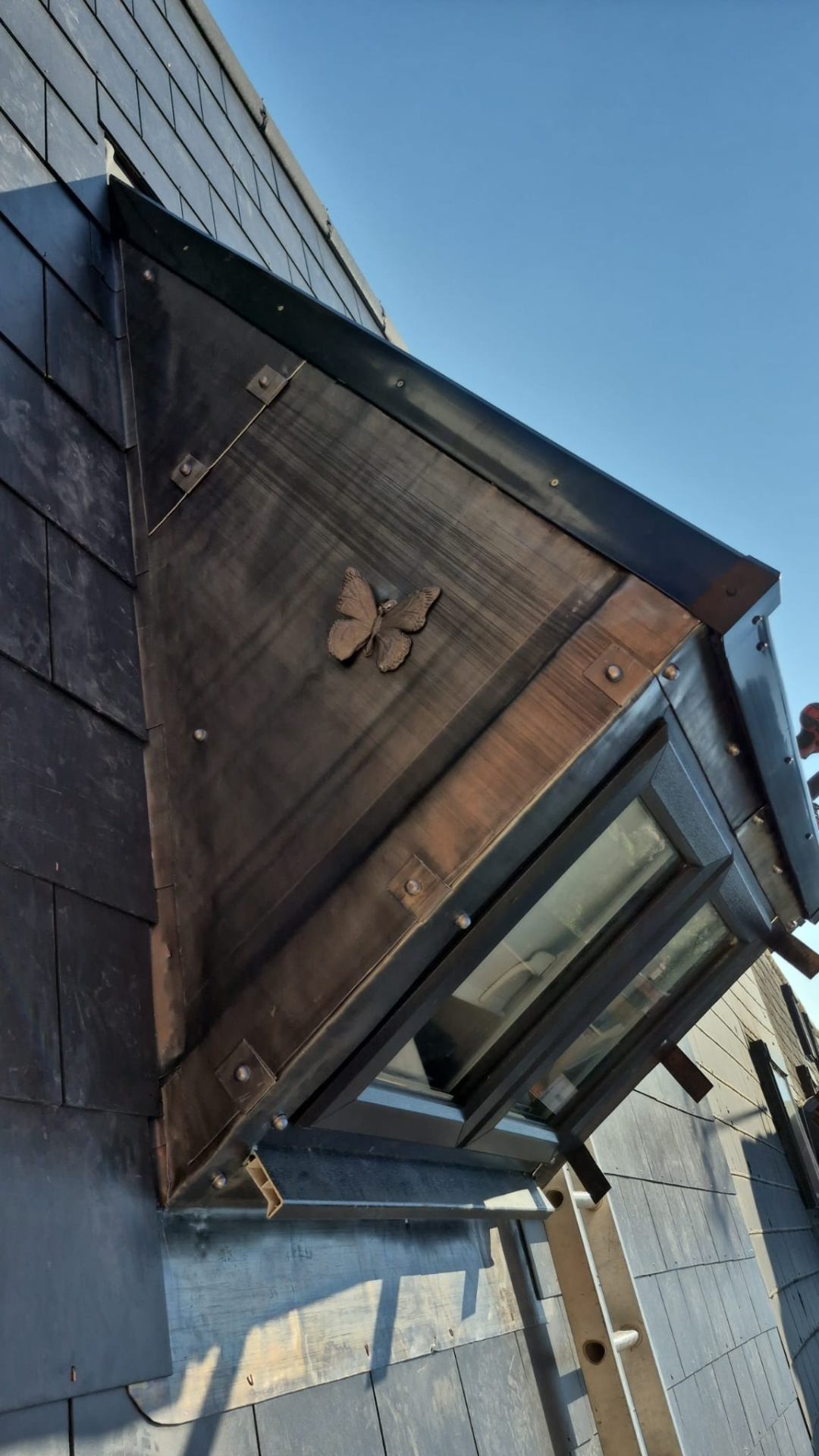
Yes. Lead bay roofs are a beautiful, traditional detail that can last 100+ years when done properly. We strip the old covering, replace any rotten boarding, install a new Code 6/7 lead bay roof with proper rolls, drips, welts and clips, and finish with patination oil. A specialist job we genuinely enjoy.
The most common causes are: lead pieces that are too long (lead expands and contracts and tears itself if not split into shorter sections), poorly chased and pointed lead that has pulled out of the brickwork, mortar fillets used instead of lead soakers, or simply old lead that has finally split at a fold. We diagnose and rebuild properly.
Patination oil is applied to fresh lead immediately after installation to prevent the white carbonate staining that otherwise runs down brickwork and tiles. Yes — we patinate every piece of lead we install as standard. It's a small step that makes a big visual difference.
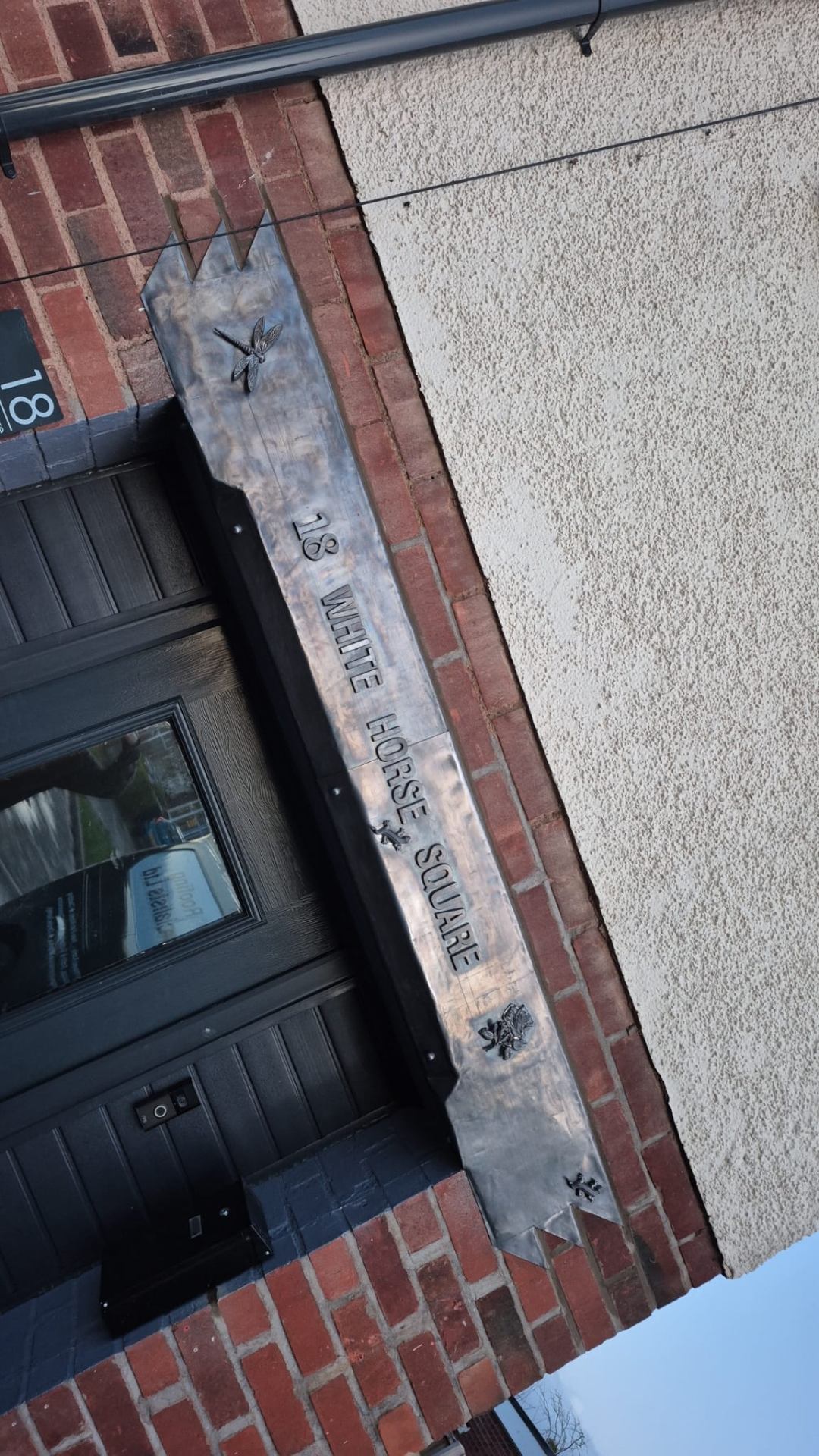
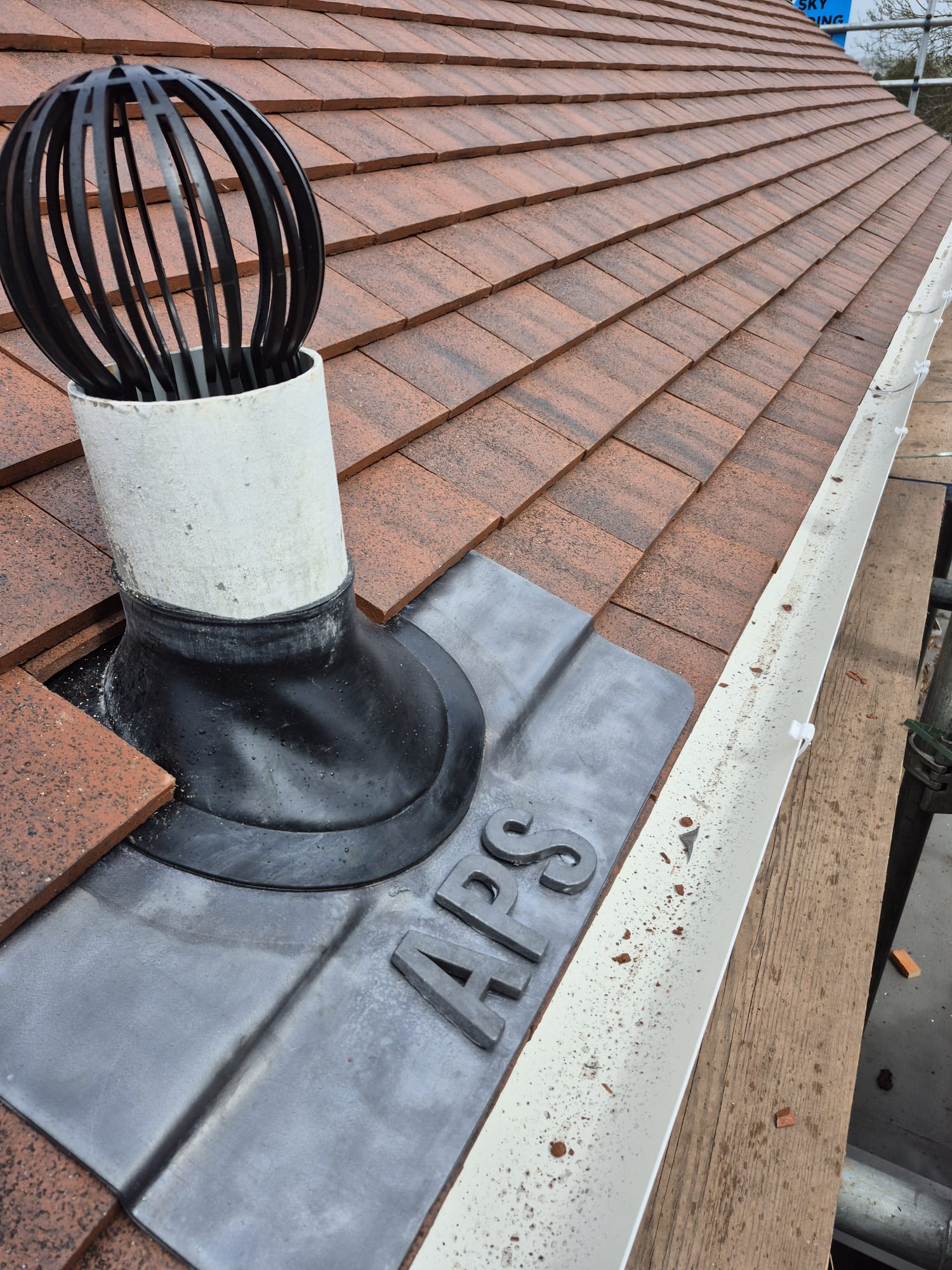
Yes — house signs, finials, decorative dormer cheeks, soil-pipe weatherings and bespoke detailing. If it can be formed in lead, we can hand-craft it. Send a photo and we'll talk through the options.
For booked lead work jobs, our typical lead time is 2–4 weeks across Herefordshire. For active leaks around chimneys or flashings, we attend much faster — often the same week — to make safe and watertight while the permanent repair is scheduled.
Still have a question?
Call us for honest advice — no pressure, no obligation.
Real lead work projects.
Need lead work doing properly?
Get expert advice and a free quote from APS Roofing today.